Mangrove Restoration & Coastal Resilience Initiative
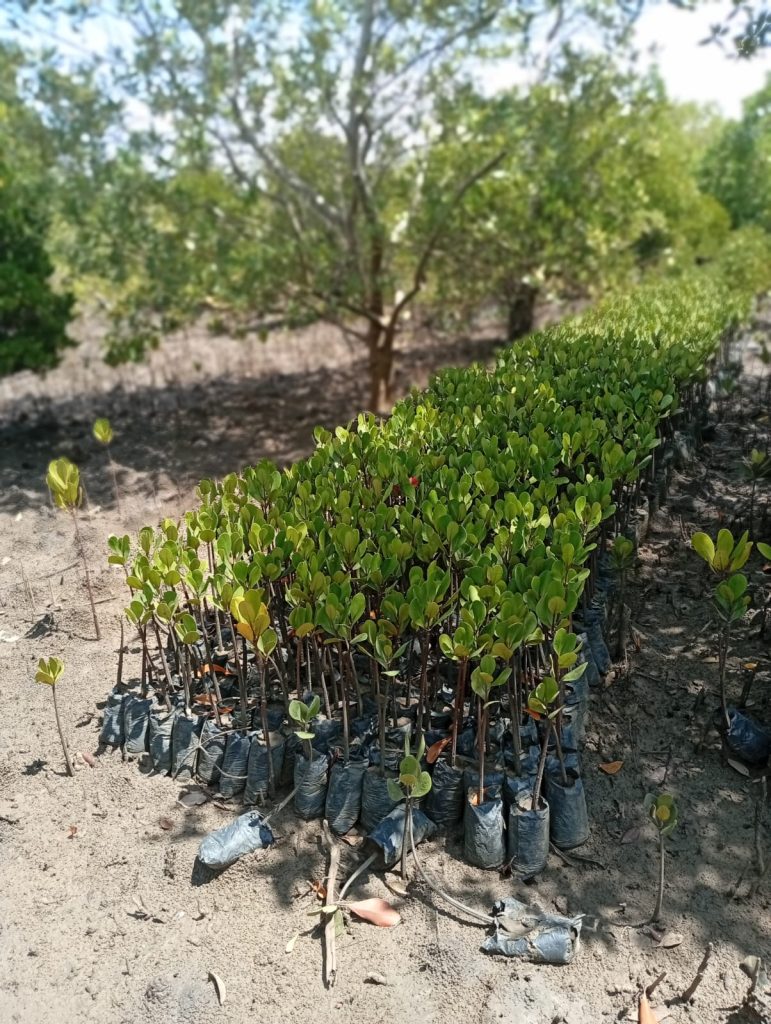
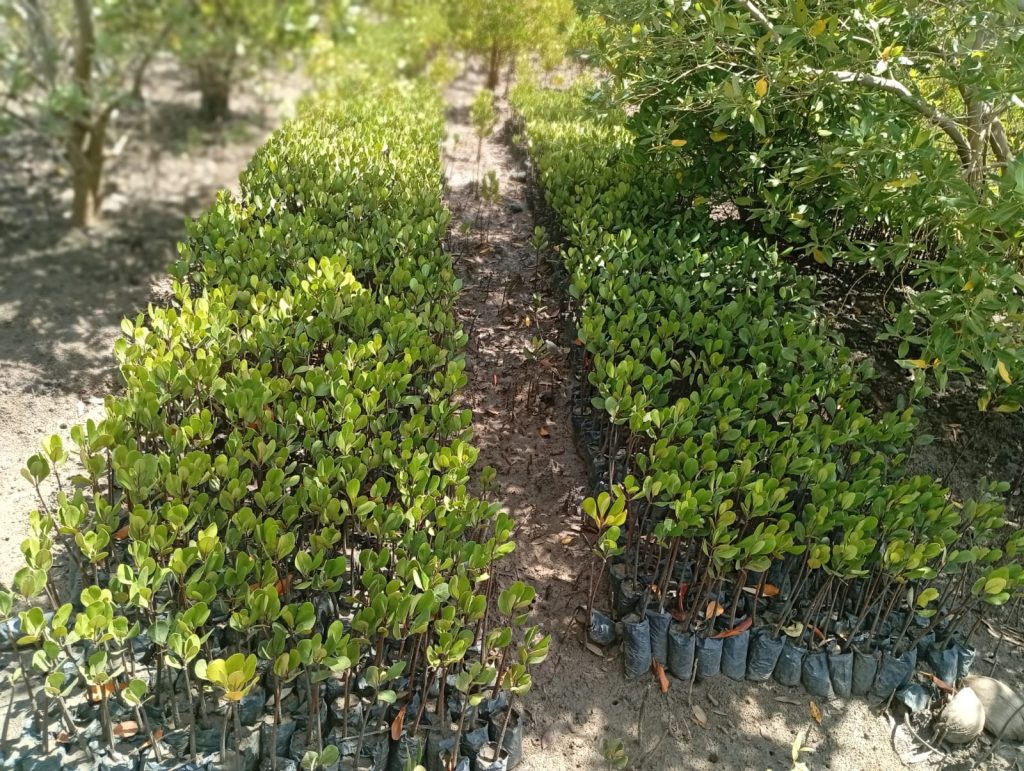
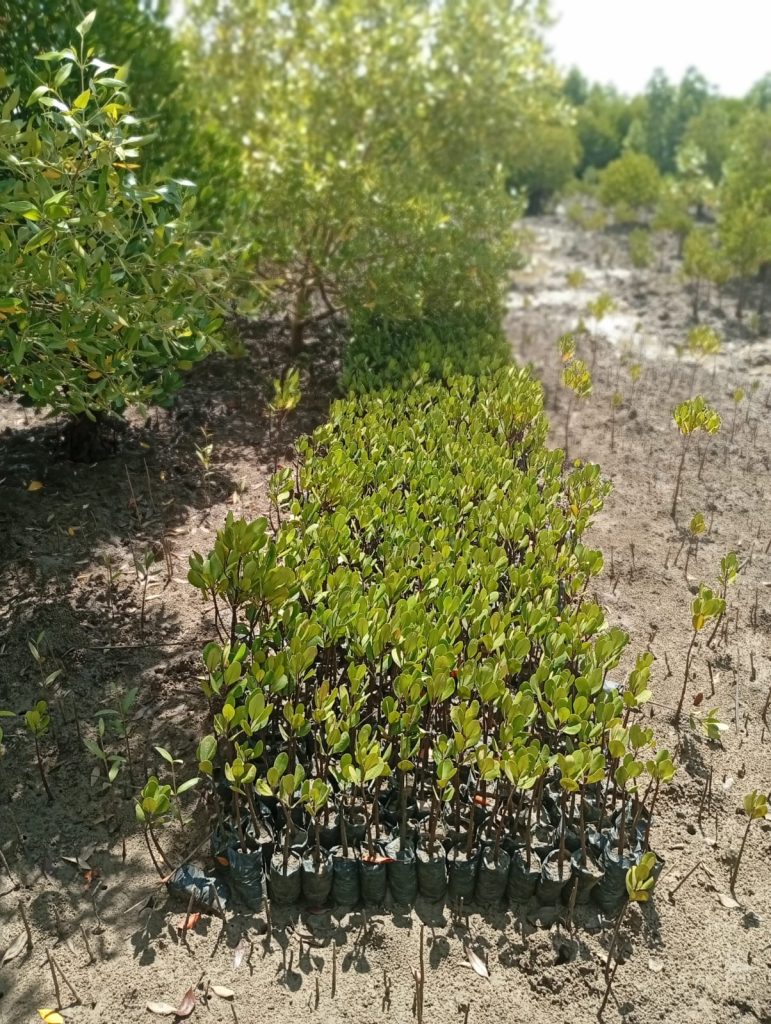
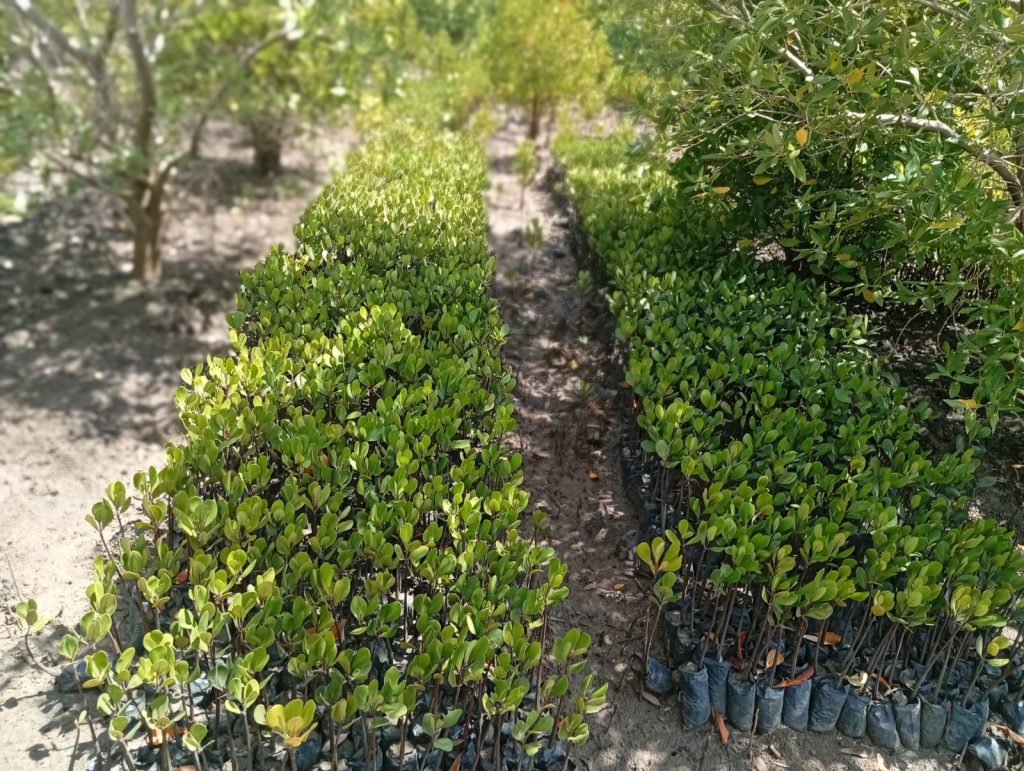
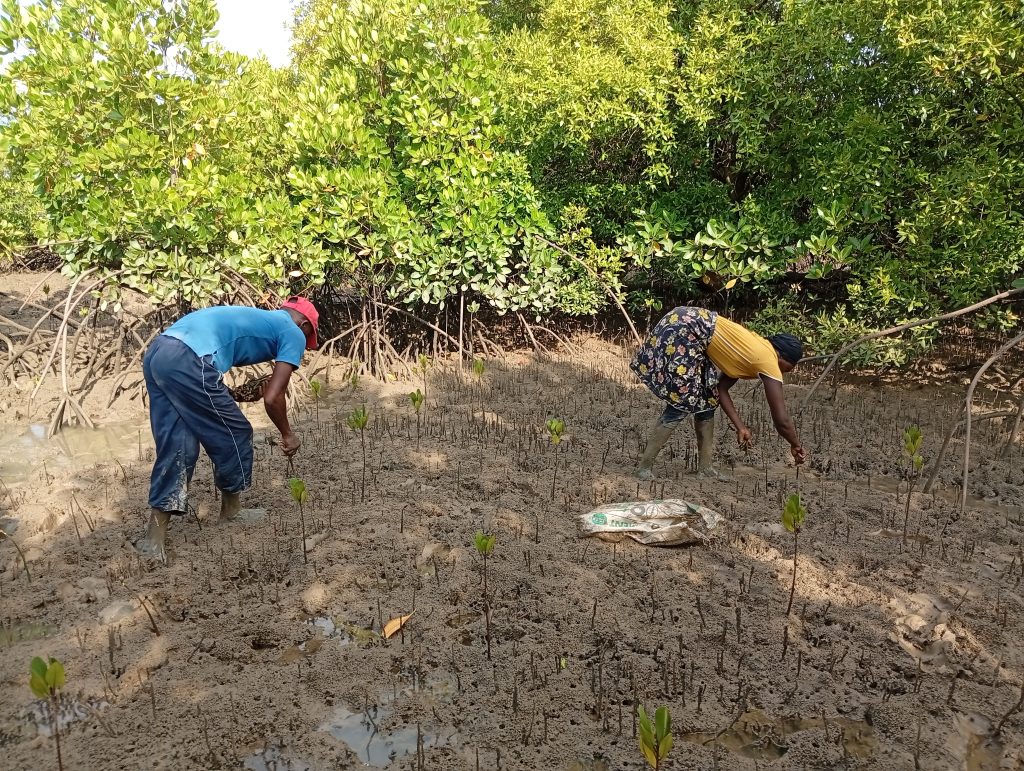
Between February and November 2025, Marine Nature Conservation implemented a large-scale mangrove restoration programme across the Tsunza Peninsula, Kwale County, planting 100,000 mangrove propagules and seedlings across 12.5 hectares of degraded coastline. Post-planting monitoring recorded a 72% survival rate, tracked through a combination of GIS mapping and permanent and random sample plots.
The project responded to documented degradation of coastal ecosystems in the area, driven by deforestation, erosion, and encroaching sea levels. Mangrove cover in the Tsunza Peninsula, which supports local fisheries productivity, carbon sequestration, and shoreline stabilization, had been in decline. Site selection was informed by a baseline assessment of hydrology, tidal zonation and inundation class, and crab hole density, used as an indicator of substrate suitability.
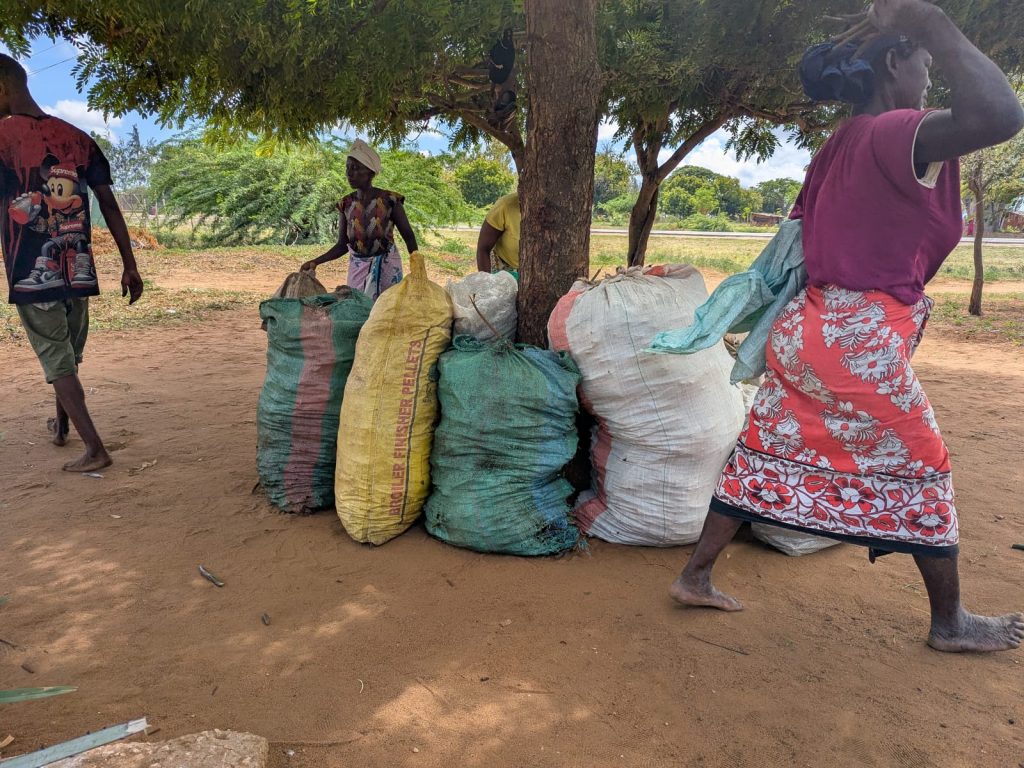
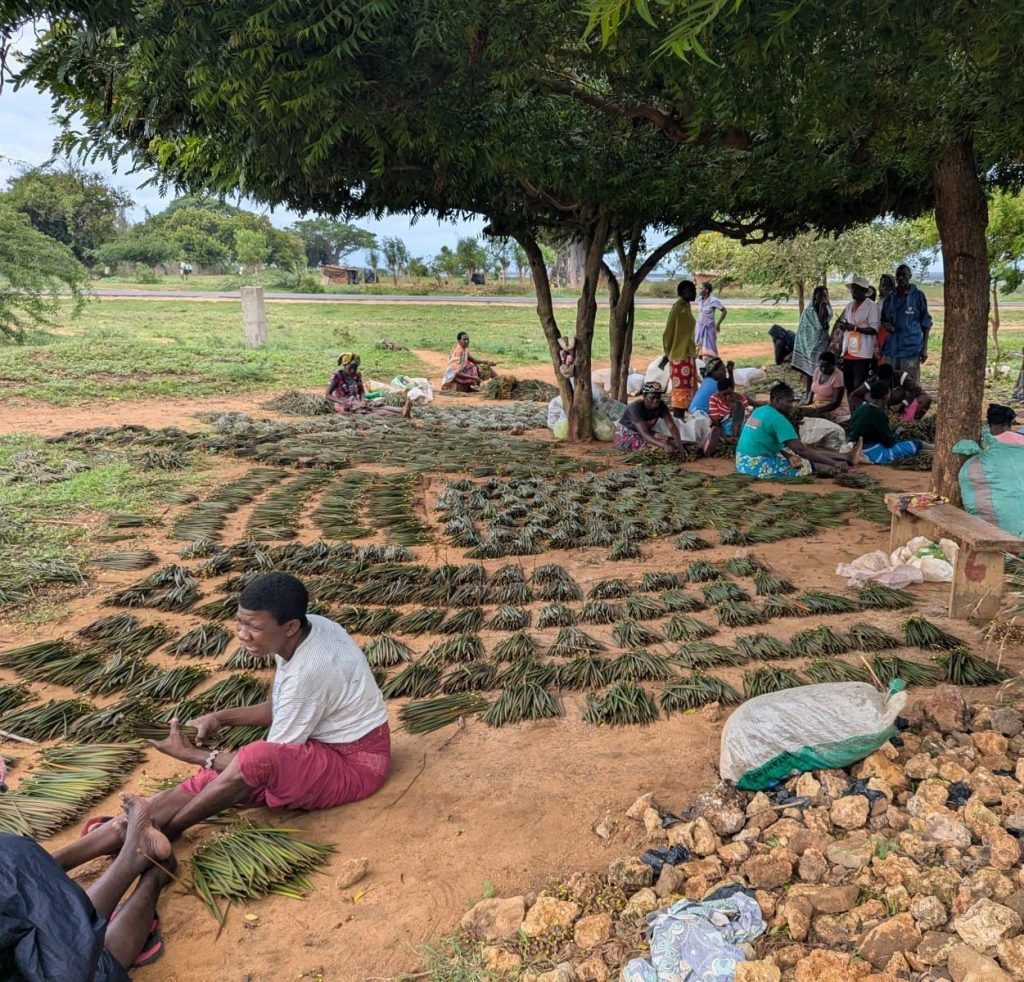
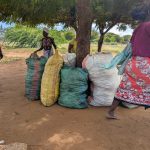
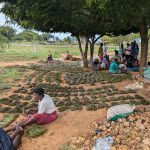
Restoration activity was paired with a community-based delivery model. Local residents, including youth and women’s groups, were engaged in propagation, planting, and ongoing monitoring, supported by technical training in nursery management and mangrove conservation. Eco-tourism activity was introduced alongside the restoration work as a complementary livelihood stream.
Following completion of the first planting phase, the project is entering a second phase, extending restoration activity into new sites with a target of 1,000,000 mangrove trees (seedlings and propagules) planted by the end of 2027.
Methodology
- Site Selection: Baseline assessment of hydrology, tidal zonation and inundation class, and crab hole density used to determine site suitability
- Species Selection: Native species selected for local hydrological and salinity conditions, including Rhizophora mucronata, Ceriops tagal, and Avicennia marina
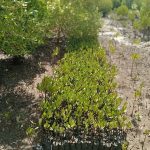
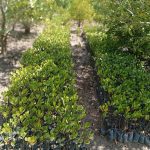
- Planting Method: Combination of nursery propagation and direct planting
- Monitoring Protocol: GIS mapping combined with permanent and random sample plots, recording alive, dead, dormant, and native regeneration status
Results to Date
- 100,000 mangrove propagules and seedlings planted across the restoration site
- 72% survival rate recorded through community-led monitoring
- 12.5 hectares of degraded coastline brought under restoration, with observed improvement in fish breeding habitat and biodiversity indicators
Project Objectives
Restore degraded mangrove ecosystems across the Tsunza Peninsula through large-scale, community-led planting
Improve fish breeding grounds and strengthen marine biodiversity along the Kenyan coast
Build local capacity in nursery propagation, GIS monitoring, and mangrove conservation
Create green jobs and alternative livelihoods for coastal youth and women through eco-tourism
Strengthen climate resilience and carbon sequestration in vulnerable coastal communities
Challenges
Rapid deforestation and erosion degrading mangrove and intertidal ecosystems
Rising sea levels threatening shoreline stability and fish breeding habitats
Declining mangrove cover reducing carbon storage and long-term fisheries productivity
Limited local capacity for large-scale, science-based restoration and monitoring
Project Gallery (7 images)