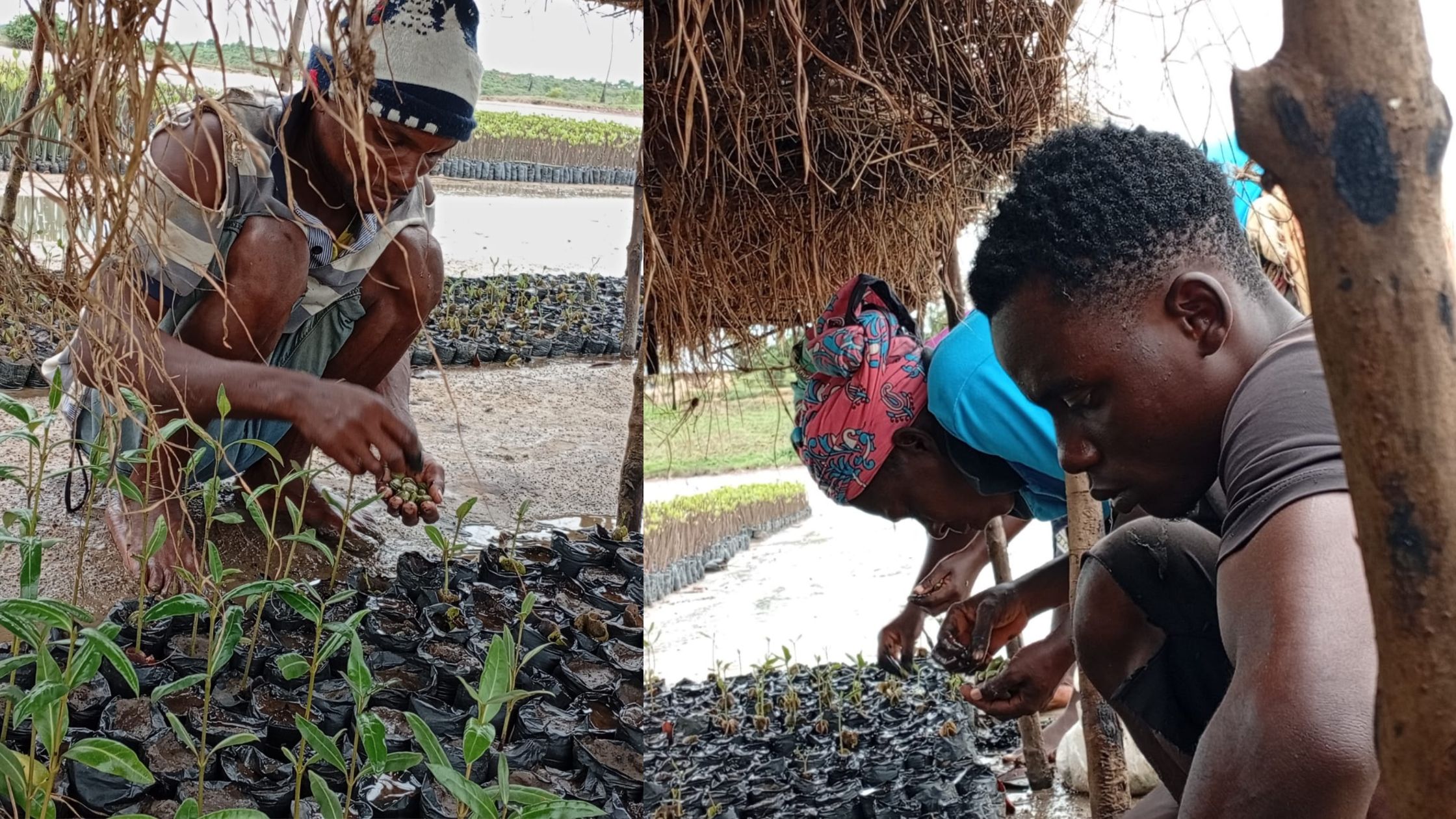

The establishment of a 500,000-seedling nursery represents a powerful, nature-based response to desertification in vulnerable coastal landscapes. By producing large volumes of indigenous and climate-resilient seedlings, the nursery plays a critical role in restoring degraded lands that have lost vegetation cover due to climate stress, unsustainable land use, and coastal pressures. Reintroducing plant life stabilizes soils, improves microclimates, and initiates the recovery of ecological functions essential for long-term land productivity.
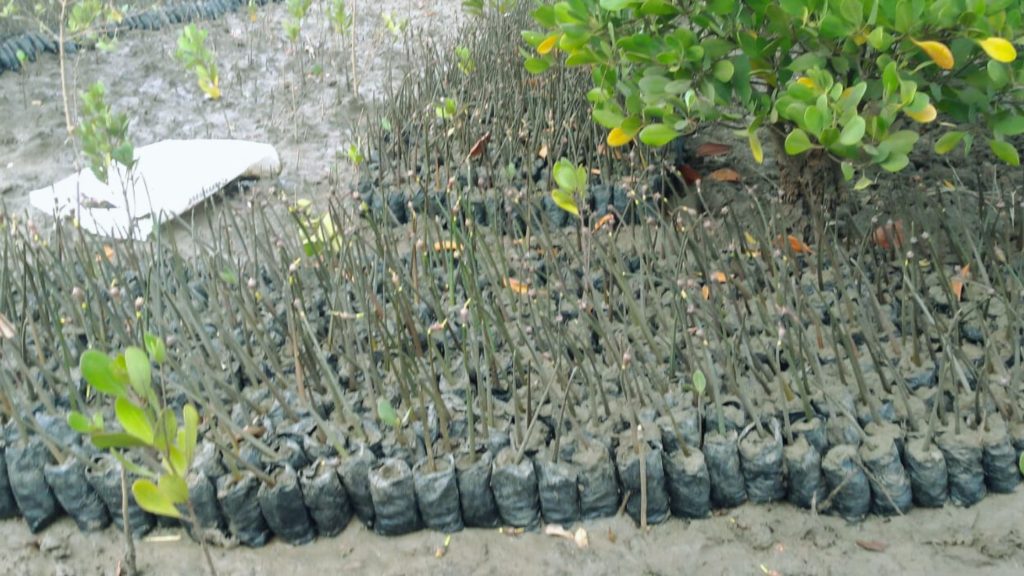
Through targeted restoration activities, the nursery supports soil rehabilitation by increasing organic matter, improving soil structure, and reducing erosion caused by wind and water. Healthy vegetation enhances the soil’s ability to retain moisture, helping coastal ecosystems withstand prolonged dry periods and increasing resilience to climate variability. These improvements are especially vital in arid and semi-arid coastal zones where land degradation threatens both ecosystems and human livelihoods.
The project also contributes to the creation of green belts that act as natural windbreaks, reducing land desiccation and protecting inland areas from sand encroachment. These vegetated buffers help moderate extreme temperatures, reduce dust movement, and safeguard agricultural and settlement areas. Over time, such green infrastructure strengthens ecosystem stability while supporting biodiversity recovery.
Beyond environmental restoration, the nursery initiative delivers tangible socio-economic benefits. By supporting livelihoods linked to fisheries, eco-tourism, and sustainable harvesting, the project aligns land restoration with income generation. Local communities are actively involved in seedling production, planting, and land stewardship, fostering ownership and long-term commitment to conservation efforts.